Delhi, Noida, Gr Noida, Gurugram
Call Us:- +91 906 312 1212

About Kyphosis
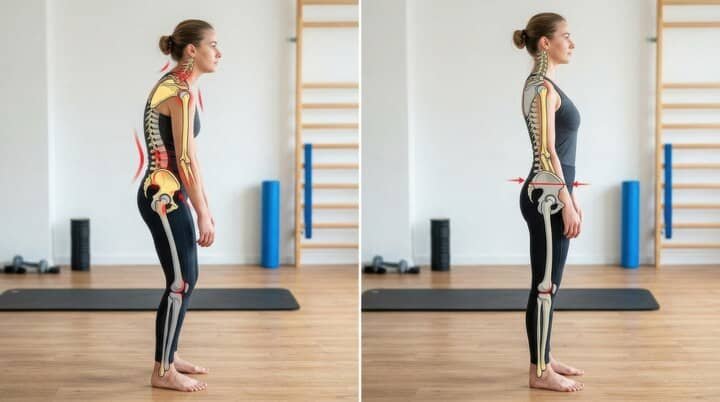
Kyphosis is a spinal disorder characterized by an excessive outward curve of the middle portion of the spine, resulting in a rounded or hunched upper back. While mild cases are often cosmetic, severe kyphosis can lead to pain, stiffness, reduced mobility, and in some cases, nerve compression. Early recognition and treatment are essential to prevent long-term complications.
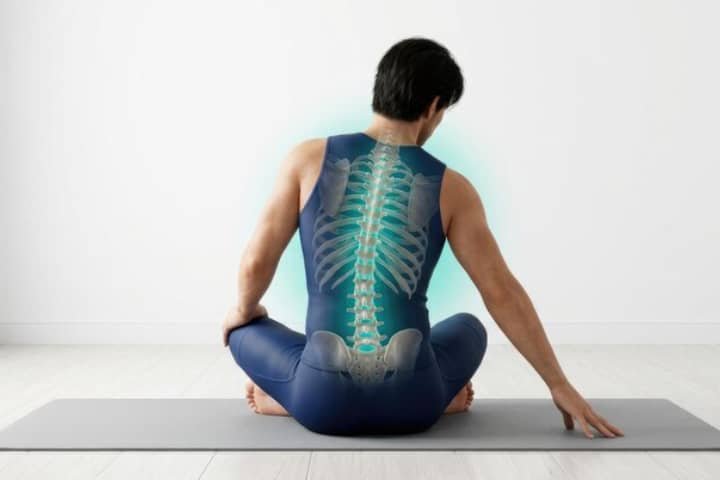
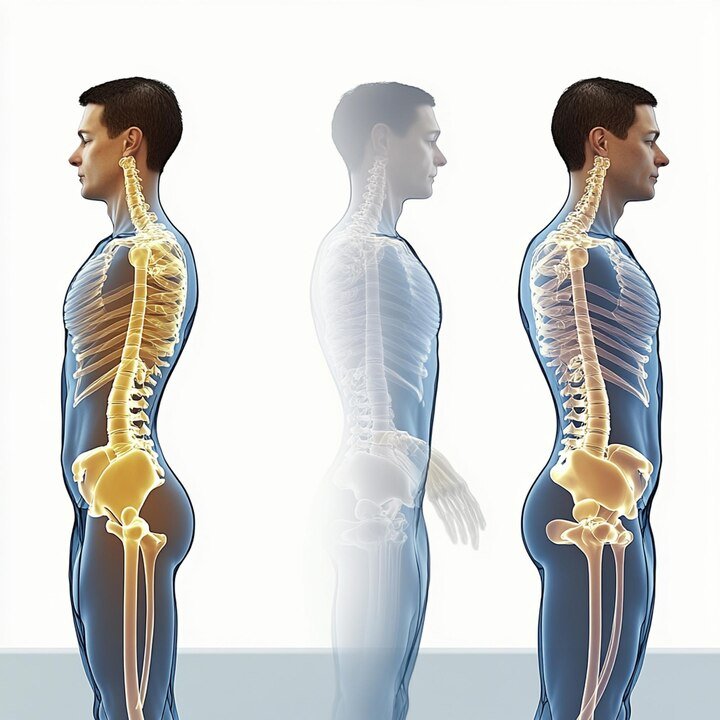
A healthy spine when viewed from front or back looks straight. Understanding the normal curve can help you better understand and spot spinal disorders
Symptoms & Types Of Kyphosis
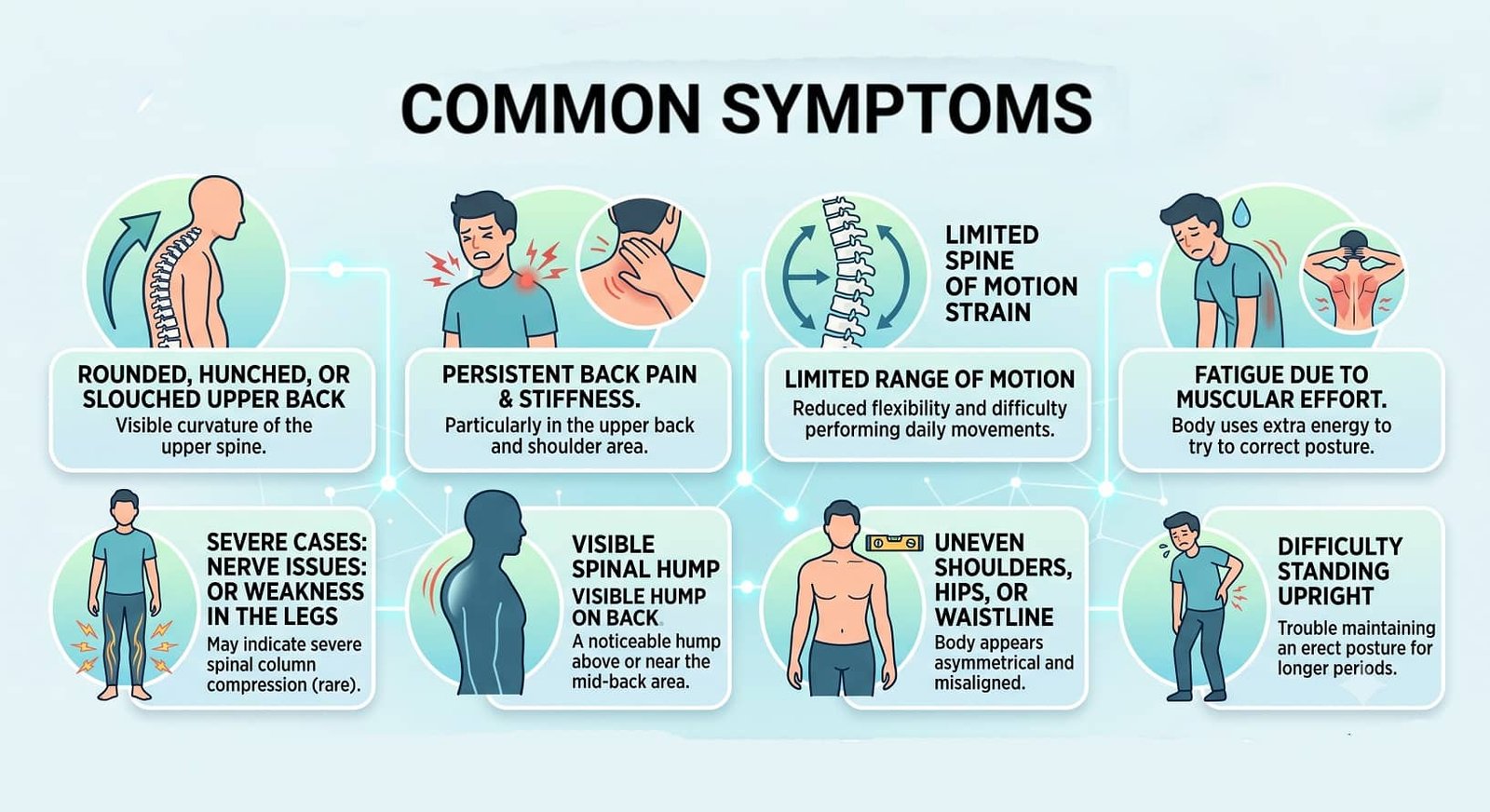
Kyphosis can develop at any age but is most commonly seen in adolescents and the elderly. The symptoms can vary depending on the type and severity of the curve.
Types Of Kyphosis
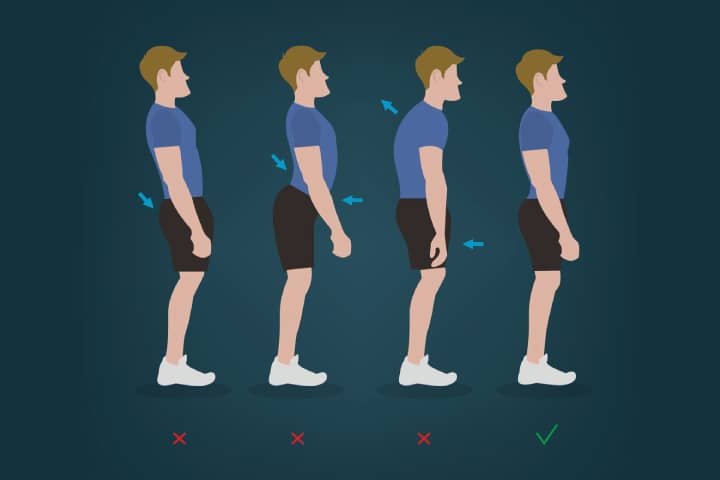
Postural Kyphosis:
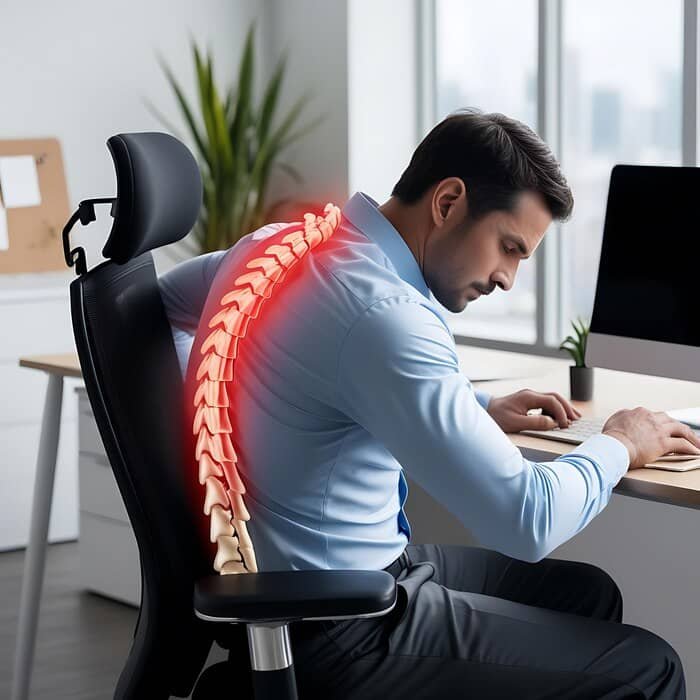
Caused by habitual slouching, often seen in adolescents and young adults. Usually pain-free and can improve with exercises and posture correction.
Scheuermann’s Kyphosis:
Structural deformity of the vertebrae; common in teenagers, often painful, and may worsen during growth spurts.
Congenital Kyphosis:
Present at birth due to spinal malformations; usually requires early intervention.
Age-Related / Osteoporotic Kyphosis:
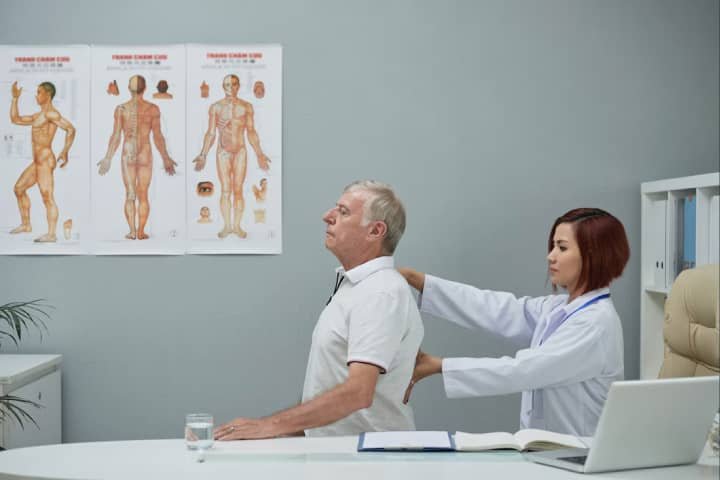
Common in older adults due to vertebral compression fractures, weakened bones, or degenerative changes.
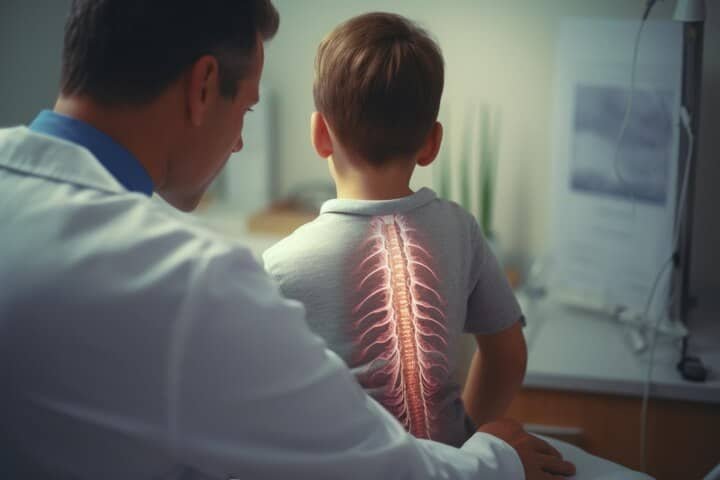
Kyphosis in Children: Dr DEEPAK KUMAR CAPRI, Sr. Consultant Physiotherapist said that Modern lifestyles, including long hours on computers, mobile phones, and heavy school bags, have contributed to an increase in postural kyphosis among school-going children. If left untreated, this can become permanent and lead to chronic spinal issues.
Causes Of Kyphosis
Kyphosis can develop from various factors that affect the structure, strength, or alignment of the spine. While poor posture is one of the most common reasons, several medical and lifestyle-related causes can contribute to an excessive spinal curve.
Common Causes
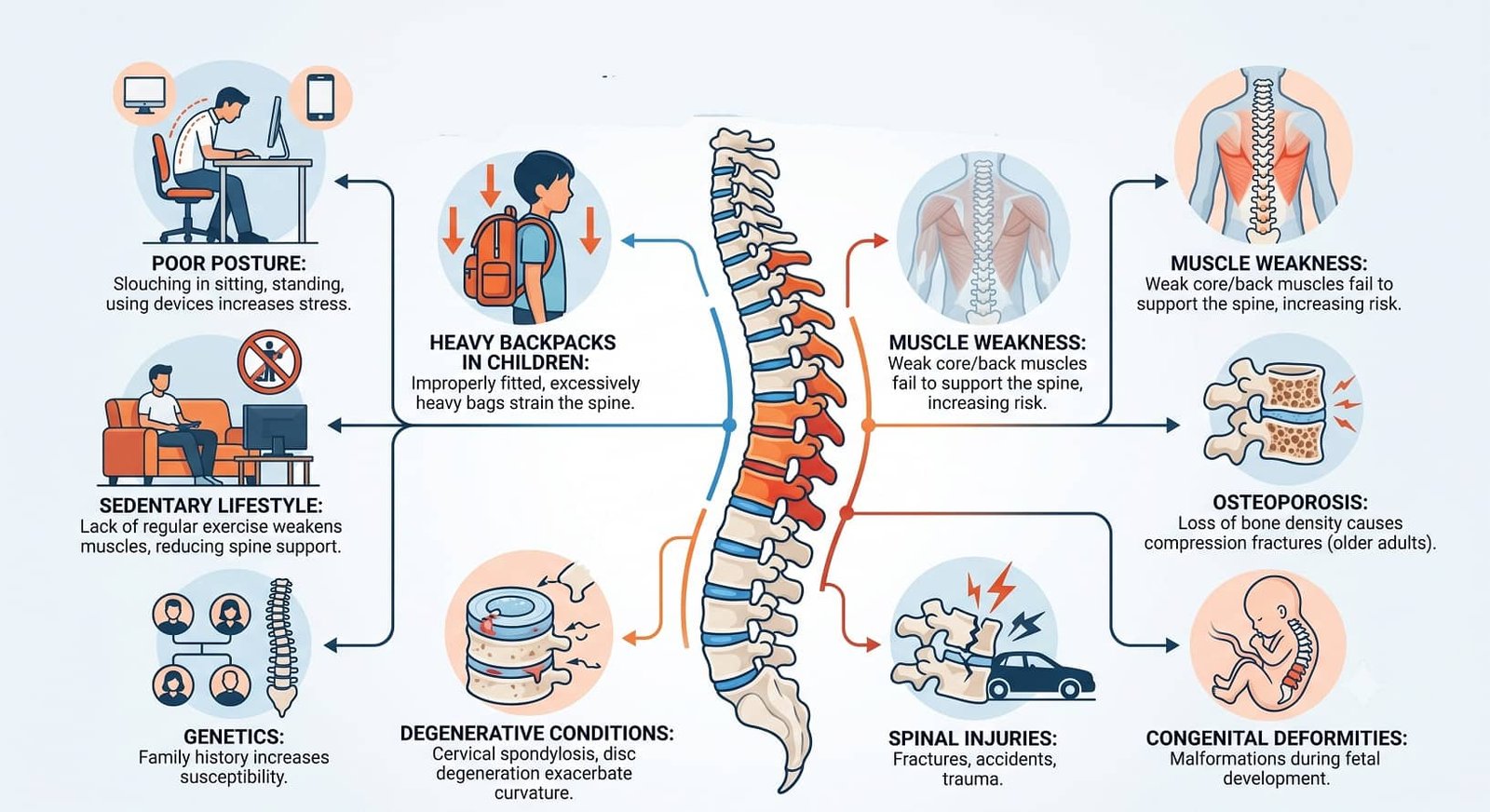
At Capri Spine Clinic, our specialists assess the exact cause of kyphosis through advanced diagnostic tools and clinical evaluations. Early diagnosis and customized physiotherapy programs help correct spinal alignment, improve posture, and prevent further progression of the curvature. Our state-of-art Physiotherapists and spine specialists can also provide treatment options if you are suffering from any of the above Spine issue.
Diagnosis Of Kyphosis
Accurate and early diagnosis of Kyphosis is crucial for effective treatment, posture correction, and preventing further spinal deformity. At Capri Spine Clinic, our expert physiotherapists and spine specialists use a comprehensive and scientific approach to evaluate each case. We combine clinical expertise with advanced diagnostic tools to determine the exact type, cause, and severity of spinal curvature.
Steps In Diagnosis
Medical History:
Understanding growth patterns, posture habits, lifestyle factors, and previous injuries.
Physical Examination:
Observing spinal alignment, muscle strength, flexibility, and postural deviations.
Neurological Assessment:
Checking for symptoms like numbness, tingling, or weakness, which may indicate nerve involvement.
Imaging Tests:
X-rays, MRI, or CT scans reveal vertebral structure, disc health, and spinal curvature angles.
Functional Assessment:
Evaluates how kyphosis impacts daily activities, mobility, and overall quality of life.
When Should You See A Specialist?
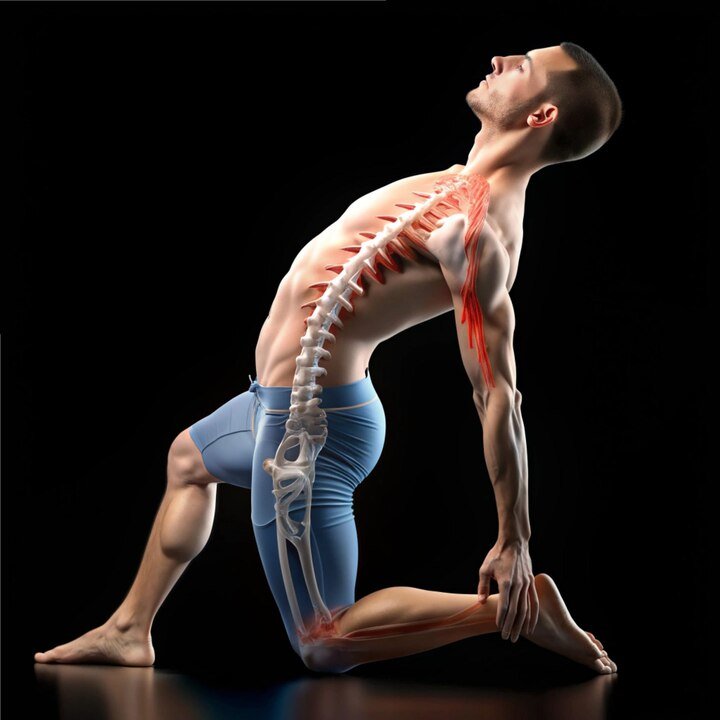
To answer this question, it’s imperative to first understand how much curve does a normal back have? A normal and healthy spine has four normal curves.The four natural curves of the spine are cervical lordosis, thoracic kyphosis, lumbar lordosis and sacral kyphosis. The four turns of the spine work together to allow for mobility and support.
The cervical lordosis curve is at the top of your spine, from your neck to your shoulder blades. The normal curvature of this part of the spine is 20 to 40 degrees.
Thoracic Kyphosis is the part of your spine that runs behind your chest. This part of the spine is important for standing straight and gaining balance. The normal curvature of this part of the spine is 20 to 40 degrees. Lumbar lordosis occurs in the lower back and a crookedness of 40 to 60 degrees is normal here. Sacral kyphosis curves occur near the hip area.
Everyone has some degree of curve in their spine, but spinal disorders such as scoliosis, kyphosis, and lordosis can exaggerate the curve. If you’re wondering whether or not your spinal curve is normal, it’s a good idea to visit a spine specialist or a physiotherapist for diagnosis.
In general, you should see a specialist like CAPRI SPINE CLINIC AND PHYSIOTHERAPY CENTER DELHI NCR if you notice or experience
- Back pain.
- There is a gap between your bed and your lower back when you lie down.
- Using thick pillows to support the neck
- Stiffness in your upper or middle back.
- Mobility problems.
- A noticeable hump in your back.
- A curve outward above the lower back and hip.
- Uneven hips or waist.
- Inability to naturally touch the head while standing straight against the wall
- Excessive forward bending of the back
- Leaning to one side.
- An uneven spine.
- Uneven shoulder blades.
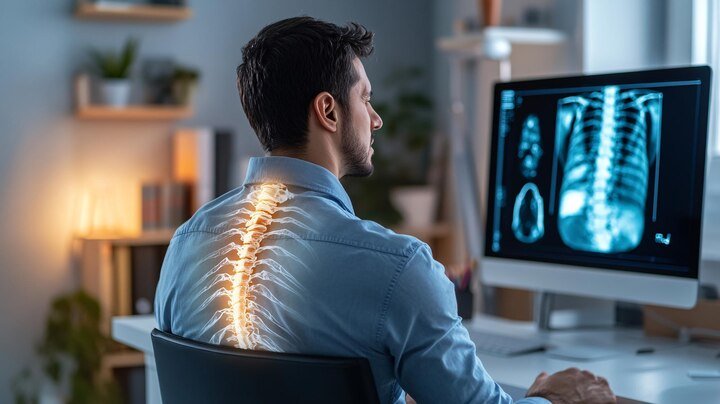
Although none of these symptoms necessarily indicate scoliosis, kyphosis, lordosis or any spinal disorder, it’s still worth seeing a specialist to rule out any pathology and for preventive measures.
Why Choose Capri Spine Clinic For Kyphosis Diagnosis
At Capri Spine Clinic, we specialize in the non-surgical management of spinal disorders like kyphosis, scoliosis, and cervical pain.
Our clinics in Delhi, Gurgaon, and Noida are equipped with modern physiotherapy tools, advanced posture analysis systems, and expert physiotherapists led by Dr. Deepak Kumar.
Each patient receives a customized diagnosis and rehabilitation plan designed to restore alignment, mobility, and confidence.
If you’re concerned about spinal curvature, contact our specialists at CAPRI.
Spinal problems and irregular curvature can develop due to osteoporosis, prolonged and repetitive poor postures, damaged discs, injuries, strain, exertion, certain treatments, obesity, genetics, incorrect lifting techniques, and many other reasons. If you’ve been diagnosed with a spinal disorder, you’re in pain or concerned about the curvature of your spine, consult our spine and back specialists at CAPRI SPINE CLINIC.
Treatment For Kyphosis
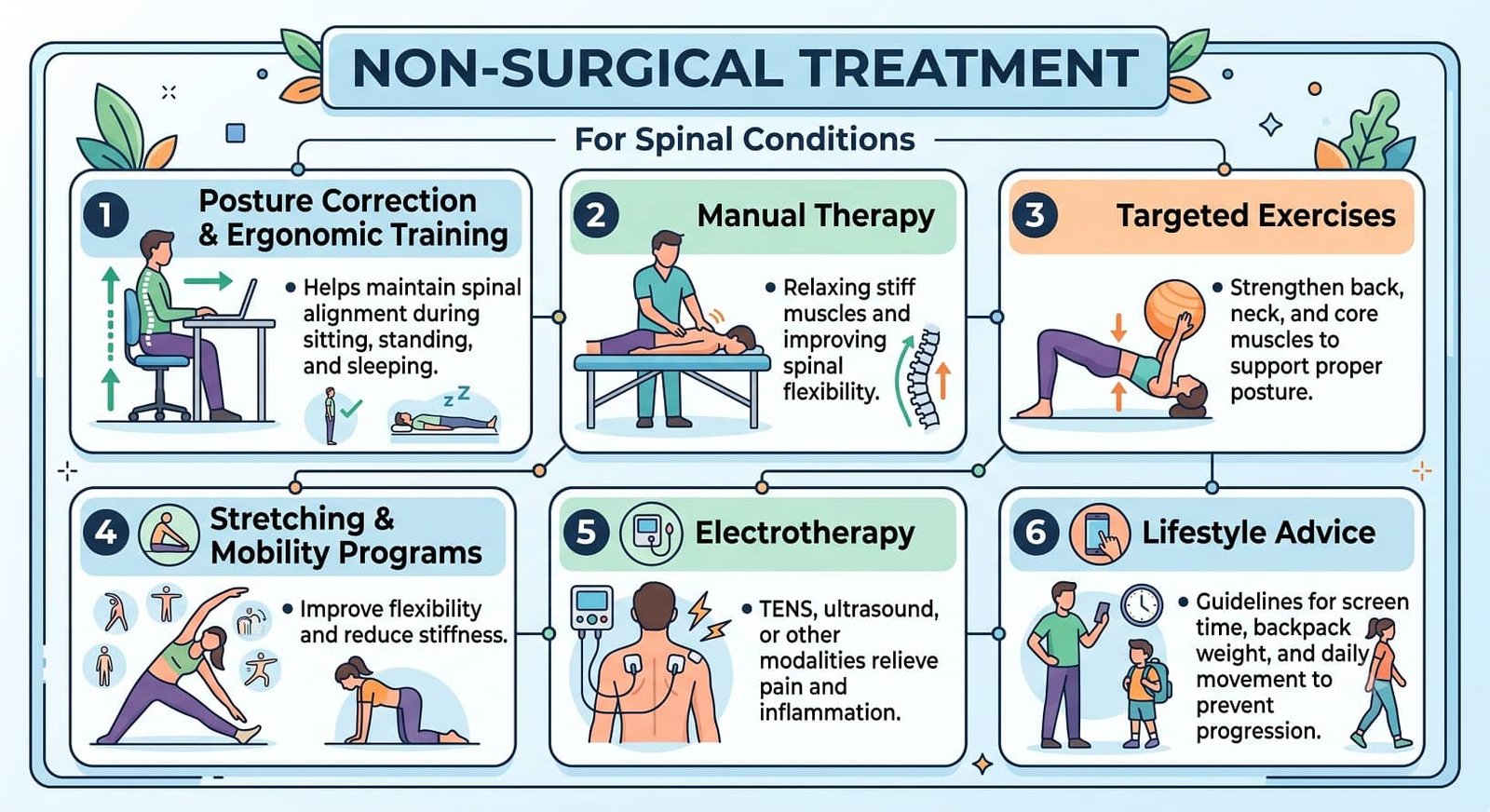
Treatment depends on the severity, type of kyphosis, and patient age. At Capri Spine Clinic, we focus on non-invasive, effective, and personalized treatment plans.
Surgical Treatment
For severe structural kyphosis or congenital deformities, surgical intervention may be recommended to restore spinal alignment, reduce pain, and prevent neurological damage.
Prevention Tips
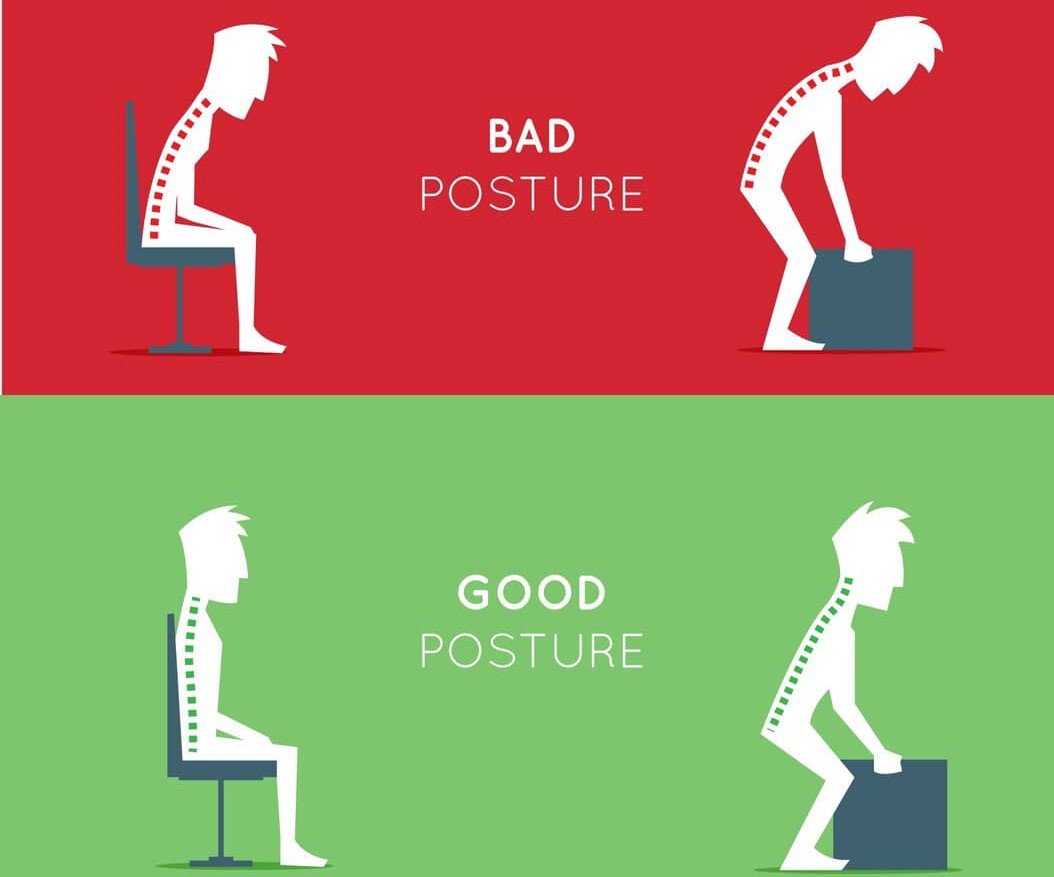
- Maintain good posture while sitting, standing, and sleeping.
- Limit continuous screen time and take frequent stretching breaks.
- Use lightweight and ergonomically designed backpacks for children.
- Perform regular back and core strengthening exercises.
- Maintain a nutritious diet rich in calcium and vitamin D for bone health.
We have 10+ clinics across Delhi NCR, including Delhi, Gurgaon, and Noida, providing expert care for spinal disorders like kyphosis. Early intervention ensures pain-free posture, improved spinal health, and better quality of life.
Take The First Step Toward A Healthy Spine
At Capri Spine Clinic, out team of spine specialists and state-of-art Physiotherapists provides personalized care, advanced treatment options, and preventive strategies for kyphosis and other spinal disorders.
Kyphosis Physiotherapy Treatment in Delhi NCR
Kyphosis is a medical condition that can likely affect spinal posture and may lead to extreme back discomfort, reduced mobility, stiffness, and extreme difficulty with everyday activities. Receiving the right assessment can likely help you in thoroughly understanding your condition and also manage symptoms effectively.
At Capri Spine, Kyphosis Physiotherapy Treatment in Delhi NCR is highly personalised to your mobility, posture, symptoms as well as feasible recovery goals. Your physiotherapist can professionally develop a highly focused plan to improve your overall flexibility, posture, strength, and functional movement.
With the right level of guidance and consistent rehabilitation, physiotherapy can very well support better movement and also everyday comfort.
Are you looking for professional kyphosis care? Book a consultation with Capri Spine today.

1L+ Patients Treated Successfully
Trusted By Patients Across India
The Capri Method has helped thousands of patients overcome chronic back, neck, joint, and spine-related pain without surgery.
FAQ's
What is Kyphosis?
Kyphosis is a spinal condition where the upper back develops an excessive outward curve, giving a hunched or rounded appearance. It can be caused by poor posture, spinal degeneration, or congenital deformities.
What are the common symptoms of Kyphosis?
Common symptoms include a visible hump on the upper back, back pain, stiffness, fatigue, uneven shoulders, and difficulty standing straight. In severe cases, it may also affect breathing and mobility.
What causes Kyphosis?
Kyphosis can result from poor posture, weak back muscles, osteoporosis, spinal injuries, or conditions like Scheuermann’s disease. Long hours of screen time and sedentary lifestyle are also major contributing factors.
Is Kyphosis a serious condition?
In mild cases, Kyphosis may cause only minor discomfort or aesthetic changes. However, if left untreated, it can worsen over time, leading to chronic pain, nerve compression, and reduced mobility.
Can Kyphosis be cured without surgery?
Yes. In most cases, Kyphosis can be treated effectively without surgery through physiotherapy, posture correction, strengthening exercises, and spinal rehabilitation — all available at Capri Spine Clinic.
How does physiotherapy help in Kyphosis?
Physiotherapy helps by strengthening weak muscles, correcting posture, improving spinal flexibility, and relieving pain. Techniques like manual therapy, stretching, and core stabilization exercises are highly effective.
What are the different types of Kyphosis?
- Postural Kyphosis (due to poor posture)
- Scheuermann’s Kyphosis (structural deformity in teens)
- Congenital Kyphosis (present at birth)
Who is at risk of developing Kyphosis?
People who work long hours on computers, use mobile phones excessively, have weak core muscles, or suffer from bone disorders like osteoporosis are at higher risk of developing Kyphosis.
How is Kyphosis diagnosed?
Diagnosis involves physical examination, posture assessment, and imaging tests such as X-rays, MRI, or spinal scans to measure the curvature and identify its cause.
What is the best treatment for Kyphosis in Delhi NCR?
At Capri Spine Clinic, Kyphosis treatment includes personalized physiotherapy, spinal alignment correction, ergonomic training, and posture rehabilitation — available across our clinics in Delhi, Gurgaon, and Noida.