Delhi, Noida, Gr Noida, Gurugram
Call Us:- +91 906 312 1212

About Spondylosis
Spondylosis is a degenerative disorder that affects the spinal column, leading to the gradual breakdown of the vertebrae (bones), intervertebral discs, ligaments, and joints that make up your spine. Over time, this natural wear and tear can cause stiffness, reduced flexibility, and pain in the affected area.
It can occur in different regions of the spine:
- Cervical Spondylosis: Affects the neck and upper back.
- Thoracic Spondylosis: Affects the mid-back (less common).
- Lumbar Spondylosis: Affects the lower back and hips.
This condition is primarily associated with aging, but other lifestyle factors such as poor posture, prolonged sitting, sedentary lifestyle, or repetitive strain can accelerate spinal degeneration. As the spinal discs lose hydration and elasticity with age, they become thinner and less able to absorb shocks, leading to friction between vertebrae, formation of bone spurs (osteophytes), and nerve compression.
Modern-day habits like working long hours on computers, constantly looking down at mobile screens, or poor ergonomic setup have made spondylosis increasingly common — even among younger adults.
Common Symptoms Of Spondylosis
Spondylosis symptoms develop gradually and can range from mild discomfort to severe, chronic pain. Depending on the region affected, symptoms may vary:
- Persistent Neck or Lower Back Pain: Dull ache or sharp pain that worsens with movement or prolonged sitting.
- Stiffness and Restricted Movement: Difficulty turning the head or bending the back.
- Tingling, Weakness, or Numbness: Especially in arms, hands, legs, or feet, caused by nerve compression.
- Pain Radiating to Shoulders, Arms, or Hips: Due to pressure on nerve roots exiting the spine.
- Headache or Dizziness: Common in cervical spondylosis due to reduced blood flow and muscle tension in the neck.
- Difficulty in Bending, Turning, or Standing for Long Periods: Reduced flexibility and discomfort during daily activities.
- Muscle Spasms and Fatigue: Muscles tighten to support the weakened spine, leading to fatigue and soreness.
- Reduced Flexibility and Poor Posture: Over time, the spine may lose its natural curve, leading to stooping or imbalance.
- Crunching or Grinding Sound: Some people experience a cracking or popping sensation while moving the neck.
If left untreated, spondylosis can progress to more severe conditions such as:
- Disc Herniation (Slipped Disc) – where the disc presses on spinal nerves.
- Spinal Canal Narrowing (Spinal Stenosis) – causing pain and numbness in the limbs.
- Chronic Nerve Compression – leading to weakness, loss of coordination, or mobility issues.
- Spinal Arthritis (Osteoarthritis) – inflammation and degeneration of spinal joints.
Why Early Diagnosis Matters
Early recognition of spondylosis allows for timely management before complications develop.
At Capri Spine Clinic, our experts use advanced spine assessments, posture analysis, and imaging support to accurately diagnose the condition and determine its severity. The goal is not just to relieve pain but to restore spinal balance, improve flexibility, and prevent recurrence through a personalized physiotherapy program.
Causes Of Spondylosis
Spondylosis does not develop overnight — it’s a progressive condition that occurs due to a combination of aging, lifestyle factors, and mechanical stress on the spine. Understanding the causes helps in both prevention and effective management of spinal health.
Below are the major factors contributing to spondylosis:
1. Poor Posture And Prolonged Sitting
One of the most common causes of spondylosis is poor posture, especially in people who spend long hours sitting at desks or looking down at their phones.
Slouching or bending the neck forward increases strain on the cervical and lumbar spine, leading to early disc wear and joint stiffness. Over time, this posture imbalance weakens spinal muscles and accelerates degeneration.
2. Continuous Use Of Computers Or Smartphones
Modern lifestyles involve extended screen time, whether for work or leisure. This leads to “tech neck” — constant forward bending of the neck and shoulders, putting pressure on cervical vertebrae. The repetitive strain damages discs and causes chronic neck or upper back pain.
3. Excessive Load Or Strain On The Spine
Lifting heavy objects incorrectly, doing intense workouts without proper posture, or carrying uneven weight (like handbags on one shoulder) can cause micro-injuries to the spinal discs and ligaments.
Repeated strain leads to disc thinning, herniation, and spondylotic changes over time.
4. Natural Aging And Disc Degeneration
With age, the spine naturally loses flexibility and hydration. The intervertebral discs that act as cushions between vertebrae become thinner and less elastic.
As a result, bones rub against each other, forming bone spurs (osteophytes) and leading to stiffness, restricted movement, and nerve compression.
5. Spinal Injuries Or Chronic Conditions
A history of spinal injury, fractures, or chronic spinal diseases (like arthritis or disc prolapse) can speed up degenerative changes.
Injured tissues heal with reduced elasticity, making the spine more vulnerable to future stress and degeneration.
6. Lack Of Physical Activity
A sedentary lifestyle weakens the core and back muscles that support the spine. Weak muscles fail to stabilize the vertebrae, leading to uneven load distribution and faster degeneration.
Regular movement and strengthening exercises are essential to maintain spinal flexibility and strength.
7. Obesity And Excess Body Weight
Excess weight, particularly around the abdomen, increases pressure on the lumbar (lower back) spine.
This constant stress causes premature disc wear and postural imbalances, increasing the risk of lumbar spondylosis and chronic back pain.
8. Poor Ergonomics At Workplace
Working for long hours on non-ergonomic chairs or desks can cause cumulative damage to the spine.
Incorrect monitor height, lack of back support, or improper sitting angles lead to repetitive stress injuries in the neck and lower back.
9. Genetic Predisposition
People with a family history of spinal issues or early-onset arthritis may be genetically more prone to spondylosis.
Inherited factors influence bone structure, disc strength, and connective tissue resilience.
10. Lifestyle And Habits
Smoking and excessive alcohol consumption reduce blood supply to spinal tissues and interfere with calcium absorption, leading to weak bones and poor disc repair. Over time, this weakens the spine’s natural healing ability, making it more vulnerable to degeneration.
11. Repetitive Movements And Occupation
Jobs involving repetitive bending, twisting, or heavy lifting (e.g., drivers, construction workers, office professionals) can cause chronic mechanical stress on the spine. This repetitive microtrauma accelerates wear and tear and increases the risk of spondylosis at an early age.
Spondylosis Pain
Accurate diagnosis is the first and most important step toward effective treatment of spondylosis. Since its symptoms—like back or neck pain—can resemble other spinal conditions, a thorough assessment is essential to identify the exact cause, location, and severity of degeneration.
At Capri Spine Clinic, our team follows a comprehensive, evidence-based diagnostic approach to determine the root cause of your spinal pain and plan a precise, non-surgical treatment strategy.
1. Detailed Medical History
Our diagnosis begins with a complete review of your medical and lifestyle history — including posture habits, work profile, previous injuries, exercise routine, and any episodes of chronic neck or back pain.
This helps us understand potential triggers like poor ergonomics, repetitive strain, or age-related changes that may have contributed to spinal degeneration.
2. Physical And Postural Examination
A detailed physical assessment is performed to check:
- Range of motion and flexibility of the spine
- Muscle strength and coordination
- Postural alignment and symmetry
- Presence of tenderness, stiffness, or muscle spasms
This examination helps in identifying restricted movement, imbalance, or muscular tightness that often accompany spondylosis.
3. Neurological Evaluation
Since spondylosis can compress spinal nerves, a neurological assessment is conducted to check:
- Reflex responses
- Sensory changes (numbness or tingling) Muscle weakness
- Coordination and balance issues
This test helps locate nerve compression and evaluate the impact on limb movement or sensation.
4. Imaging Tests
To confirm the diagnosis and understand the extent of degeneration, we recommend advanced imaging studies such as:
- X-ray: Detects bone spurs, disc space narrowing, and spinal alignment issues.
- MRI (Magnetic Resonance Imaging): Provides detailed images of soft tissues, spinal discs, and nerve roots to identify herniation or compression.
- CT Scan: Used in specific cases to get a clearer view of bony structures and joint degeneration.
- Myelography (if needed): Helps visualize spinal cord and nerve roots when MRI is not suitable.
These imaging tools give a clear picture of vertebral wear and tear, disc damage, and nerve involvement, ensuring accurate treatment planning.
5. Functional And Movement Analysis
At Capri Spine Clinic, we use advanced motion assessment techniques to analyze spinal movement patterns, flexibility, and core stability.
This helps us detect early functional limitations and design personalized physiotherapy programs that restore normal movement and prevent further degeneration.
6. Pain And Disability Assessment
We evaluate the intensity, duration, and pattern of pain using standardized pain scales and questionnaires.
This helps in tracking your progress during the treatment and making necessary modifications to your rehabilitation plan.
Early Diagnosis = Faster Recovery
Ignoring early signs of neck or back stiffness can worsen spondylosis and lead to nerve compression or disc herniation. Early diagnosis and physiotherapy intervention can:
- Prevent permanent spinal damage
- Restore flexibility and movement
- Reduce pain and inflammation naturally
- Avoid surgical interventions
Treatment For Spondylosis
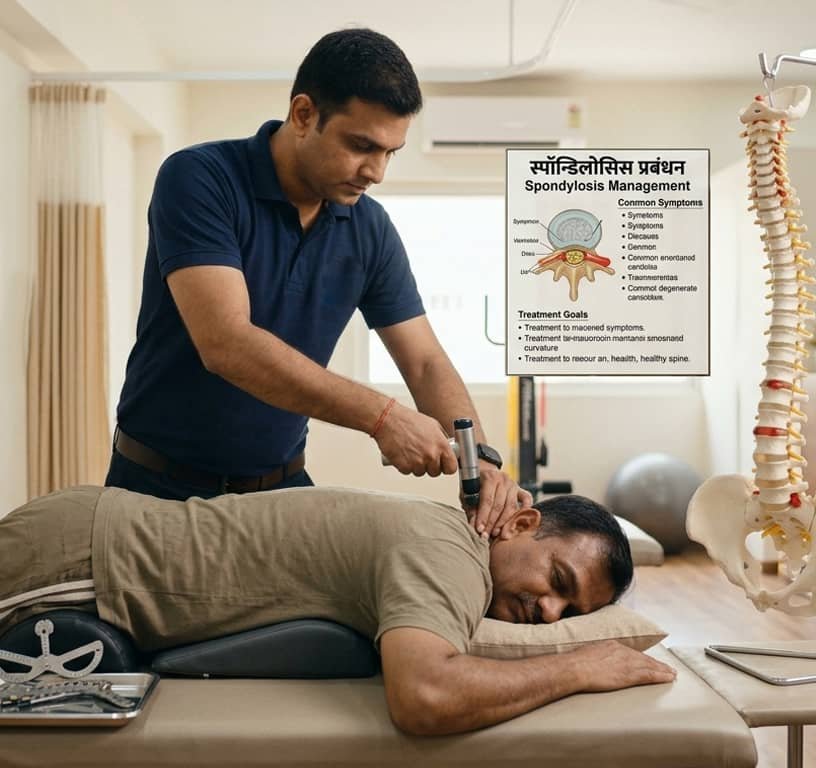
Physiotherapy is the most effective, non-surgical, and long-term solution for managing spondylosis. It focuses on reducing pain, improving spinal flexibility, and strengthening the supporting muscles to restore normal function.
At Capri Spine Clinic, our treatment programs are tailored to your condition’s severity, posture habits, and lifestyle — ensuring safe and lasting relief without dependency on painkillers or surgery.
Personalized Physiotherapy Approach at Capri Spine Clinic
Our expert physiotherapists and spine specialists follow a comprehensive evaluation-based approach that targets the root cause of pain rather than just the symptoms. We focus on healing, realignment, and long-term prevention through scientifically proven physiotherapy methods.
Our Specialized Treatments Include:
1. Manual Therapy
A hands-on approach to mobilize stiff joints, release muscle tension, and improve spinal alignment.
It helps relieve nerve compression, restore normal movement, and reduce stiffness in the neck and lower back.
2. Traction Therapy
A specialized mechanical or manual technique used to gently stretch the spine, decompressing the discs and relieving pressure on spinal nerves.
This therapy is particularly effective for cervical and lumbar spondylosis where disc space narrowing causes chronic pain.
3. Electrotherapy
We use advanced modalities like TENS, IFT, and Ultrasound therapy to reduce inflammation, improve blood circulation, and provide fast pain relief.
These techniques also help in reducing muscle spasms and promoting tissue healing.
4. Strengthening Exercises
Customized exercise programs that focus on core, back, and neck muscles.
These exercises restore muscle balance, improve spinal support, and prevent recurrence of pain.
5. Postural Correction Training
Incorrect posture is a leading cause of spondylosis. Our therapists guide you on:
- Proper sitting, standing, and sleeping posture
- Ergonomic desk setup
- Safe movement techniques for daily activities
- This ensures long-term protection against further degeneration.
6. Core Stability & Balance Training
We train your body to maintain a stable and strong spine through exercises that enhance coordination, stability, and core endurance.
It also reduces the risk of falls and improves confidence in movement.
7. Ergonomic Guidance
Our team educates you on the correct workstation setup, mobile/laptop usage, and stress-free body mechanics during routine activities — essential for people with desk jobs or long sitting hours.
8. Heat & Cold Therapy
Thermal therapy is used as supportive care to relax muscles, increase circulation, and reduce swelling or stiffness.
9. Lifestyle & Home Exercise Program
We design a home-based rehabilitation plan so that recovery continues even outside the clinic.
Patients are guided on safe exercises, daily movement habits, and nutrition tips to maintain spinal health.
- Precautions to Follow During and After Treatment
- Avoid heavy lifting, jerky movements, or prolonged sitting.
- Take short breaks between desk work or travel.
- Continue your prescribed physiotherapy exercises daily.
- Maintain a straight posture while reading, driving, or working.
- Use a supportive mattress and pillow for optimal spinal alignment.
- Stay active and avoid sudden inactivity or weight gain.
These precautions help sustain results and prevent flare-ups of pain
Why Choose Capri Spine Clinic For Spondylosis Treatment?
At Capri Spine Clinic, we combine decades of expertise, modern physiotherapy technology, and a personalized rehabilitation approach to deliver the best outcomes for patients with spinal disorders.
Highly Experienced Spine Physiotherapists
Specialists with advanced training in orthopedic and neurological rehabilitation.
Evidence-Based & Non-Surgical Treatment
All treatments are research-backed and focused on long-term correction, not temporary relief.
Advanced Equipment & Technology
Use of the latest traction units, electrotherapy devices, and posture correction tools.
Customized Treatment Plans
Every patient receives a tailored recovery plan based on individual posture, symptoms, and lifestyle.
Comprehensive Rehabilitation Programs
We focus not only on pain relief but also on posture correction, mobility restoration, and strength building.
Long-Term Results & Patient Education
Our goal is to empower patients with the knowledge and habits needed to maintain a healthy spine for life.
Thousands Of Successful Recoveries
Capri Spine Clinic has helped thousands of patients overcome spondylosis and return to active, pain-free living.
Spondylosis Physiotherapy Treatment in Delhi NCR
Spondylosis is a medical condition that leads to persistent neck or discomfort in the back, major stiffness and also difficulty with everyday movements. Receiving the right assessment can likely help you in managing all of these symptoms more effectively and help you in continuing with your normal lifestyle.
At Capri Spine, Spondylosis Physiotherapy Treatment in Delhi NCR is highly personalised as per the visible symptoms, mobility and also as per the goals set for recovery. The line of treatment essentially focuses on improving your movement, building strength and also supporting better function in day-to-day life.
Our physiotherapists are experts in assessing your prevailing medical condition and create a highly suitable rehabilitation plan rather than just relying on a one-size-fits-all approach.
Are you looking for professional Spondylosis care?
Then you should book a consultation with Capri Spine today and take the first step towards better movement and ultimate comfort.

1L+ Patients Treated Successfully
Trusted By Patients Across India
The Capri Method has helped thousands of patients overcome chronic back, neck, joint, and spine-related pain without surgery.
FAQ's
What is spondylosis and how does it affect the spine?
Spondylosis is a degenerative condition of the spine in which the bones, discs and joints gradually undergo wear and tear, often affecting the neck (cervical) or lower back (lumbar) and leading to pain, stiffness and potential nerve compression.
What are the common symptoms of spondylosis I should watch for?
Common symptoms include persistent neck or lower back pain, stiffness, reduced flexibility, tingling or numbness in arms or legs, pain radiating to shoulders or hips, headaches (in cervical cases) and fatigue when bending or standing.
What causes spondylosis and who is at risk?
Major causes include aging, prolonged bad posture, long sitting hours, repetitive spinal strain, disc thinning, workplace ergonomics issues and past spinal injury. People over 40, desk workers and those with history of spinal stress are more at risk.
How is spondylosis diagnosed by a spine specialist?
Diagnosis involves a detailed medical and posture history, physical examination of spine movement, nerve-function tests and imaging (X-ray, MRI or CT) to detect disc degeneration, bone spurs or nerve compression.
Can spondylosis be treated without surgery?
Yes — many cases of spondylosis respond very well to non-surgical treatments like physiotherapy, posture correction, exercise and ergonomic interventions. Surgery is only needed when there’s severe nerve or spinal cord involvement.
What physiotherapy treatments help with spondylosis?
Effective physiotherapy treatments include manual therapy (mobilising spinal joints), traction to relieve nerve pressure, electrotherapy for pain relief, strengthening and stability exercises for back/core muscles, and ergonomic training for posture & daily habits.
How long will it take to see improvement from physiotherapy for spondylosis?
The recovery timeline varies depending on severity, patient age and consistency with therapy. Mild cases may improve in a few weeks, while more advanced degeneration may take months of regular physiotherapy and lifestyle adjustment for noticeable relief.
What lifestyle and home care changes help manage spondylosis?
Key changes include using an ergonomic chair and workstation, avoiding prolonged sitting, taking regular stretch breaks, practising correct lifting technique, strengthening core muscles, maintaining healthy body weight and staying active.
When should someone with spondylosis see a spine specialist urgently?
Immediate specialist evaluation is recommended if there is weakness in arms or legs, loss of bladder or bowel control, sudden worsening of pain or mobility, or if non-surgical treatments are not providing relief after a few weeks.
Why choose Capri Spine Clinic for spondylosis treatment in Delhi NCR?
Capri Spine Clinic offers experienced spine physiotherapists, state-of-the-art diagnostic and rehabilitation facilities, personalized non-surgical treatment plans, and a focus on long-term outcomes — making it a trusted choice for spondylosis care in Delhi, Gurgaon & Noida.